
1996 in champagne. what happened?

by Edouard Bourgeois
November 21, 2025
Ratings for 1996 often use words like "exceptional" and "grandiose," with some comparisons to 1928. What made 1996 objectively unique was the high average potential alcohol (10.3%) combined with high total acidity (10g/litre)—figures rarely seen together. As Charles Philipponnat noted, this is a significant jump from the 9.3% potential alcohol common forty years prior.
Acidity and potential alcohol work together for balance, but typically, when one is high, the other is low. In 1996, both figures were high. Bruno Paillard called it a 'naughty boy' vintage due to its unpredictable nature and the anxiety it caused producers while waiting for acidity levels to drop. However, the result for those with patience is "fantastic."
While acidity is key for aging, the true test is time. Over two decades later, the remaining 1996 bottles reveal which producers succeeded. The best examples are still complex and alluring, where the high acidity is balanced by a wide range of aromas, from brioche to stone fruit. Unfortunately, some other bottlings show only residual acidity, resulting in unbalanced and tart wines.
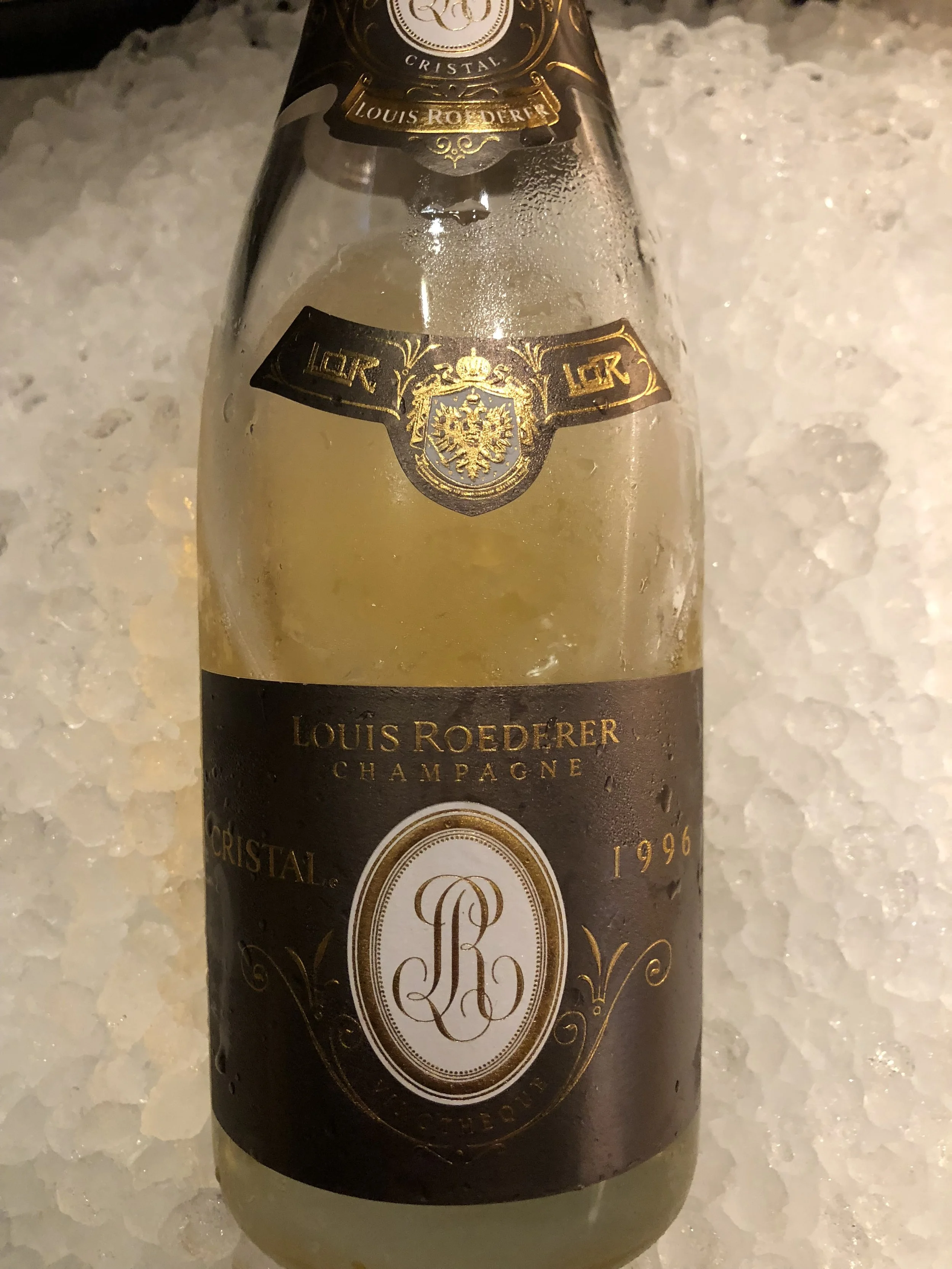
I recall opening a glorious bottle of 1996 Cristal for my son's birth seven years ago; the wine was still vibrant and charged.
Another fabulous example was made by Krug. As Olivier Krug said, "It’s a year where a good house or a good winemaker will make a good wine... It’s a tricky vintage." Other industry professionals have shared similar sentiments, noting that some vintners either opted out of making a vintage bottling or failed to achieve balance, resulting in wines that are already clumsy or tired.
The 1996 vintage often draws comparisons to its predecessor, 1995. These were the last two great Champagne vintages following the 1988, 1989, and 1990 trio. The 1996s are powerful wines; the best combine weight from ripeness with tension from acidity, providing the interest, complexity, and structure needed for long-term aging.
Interestingly, more houses released 1995 as a vintage Champagne than 1996, with a ratio of roughly 60% (1995) to 40% (1996).
Given its unpredictability, the safest bet for 1996 Champagne remains to go with producers you trust.
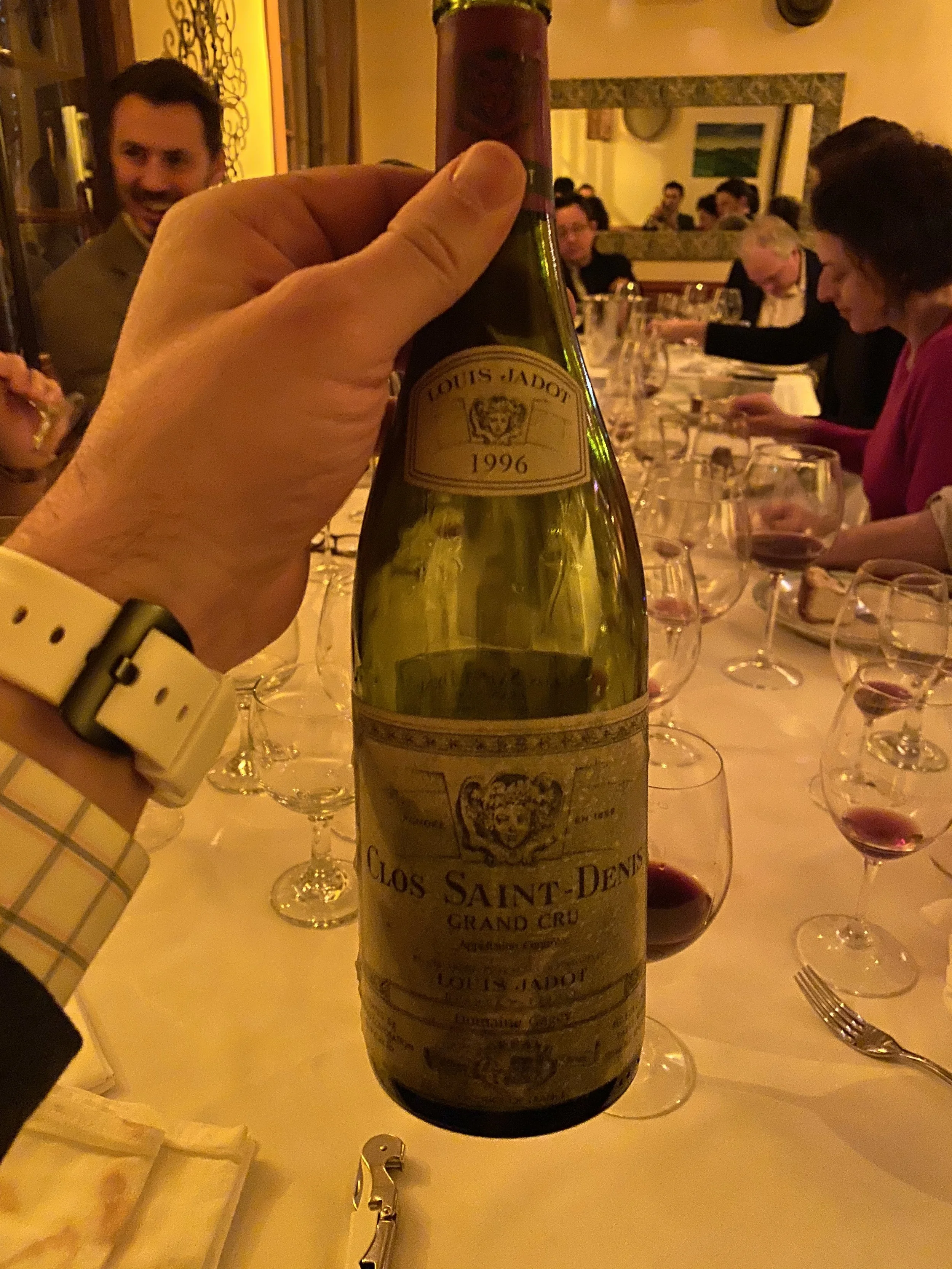
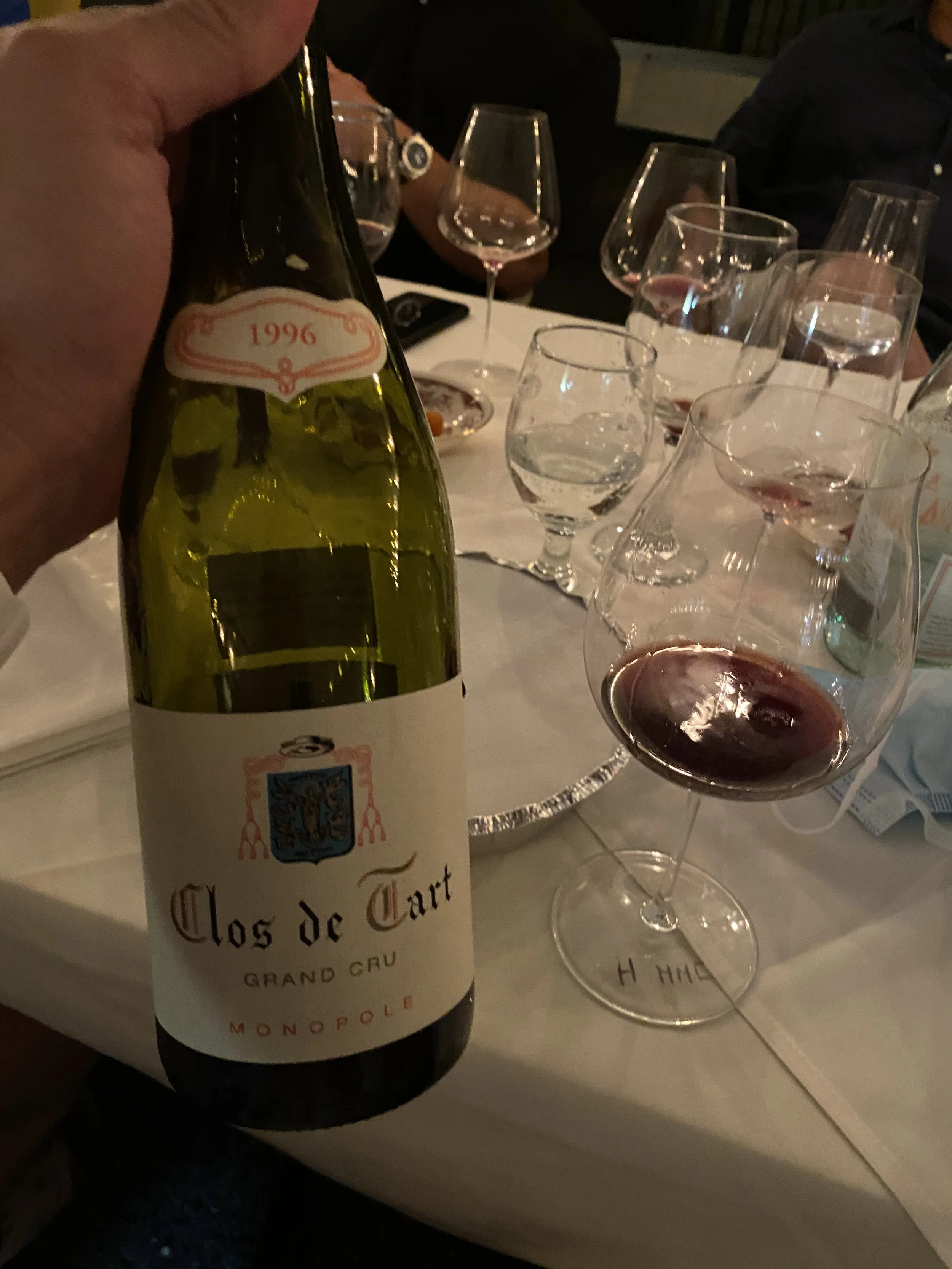
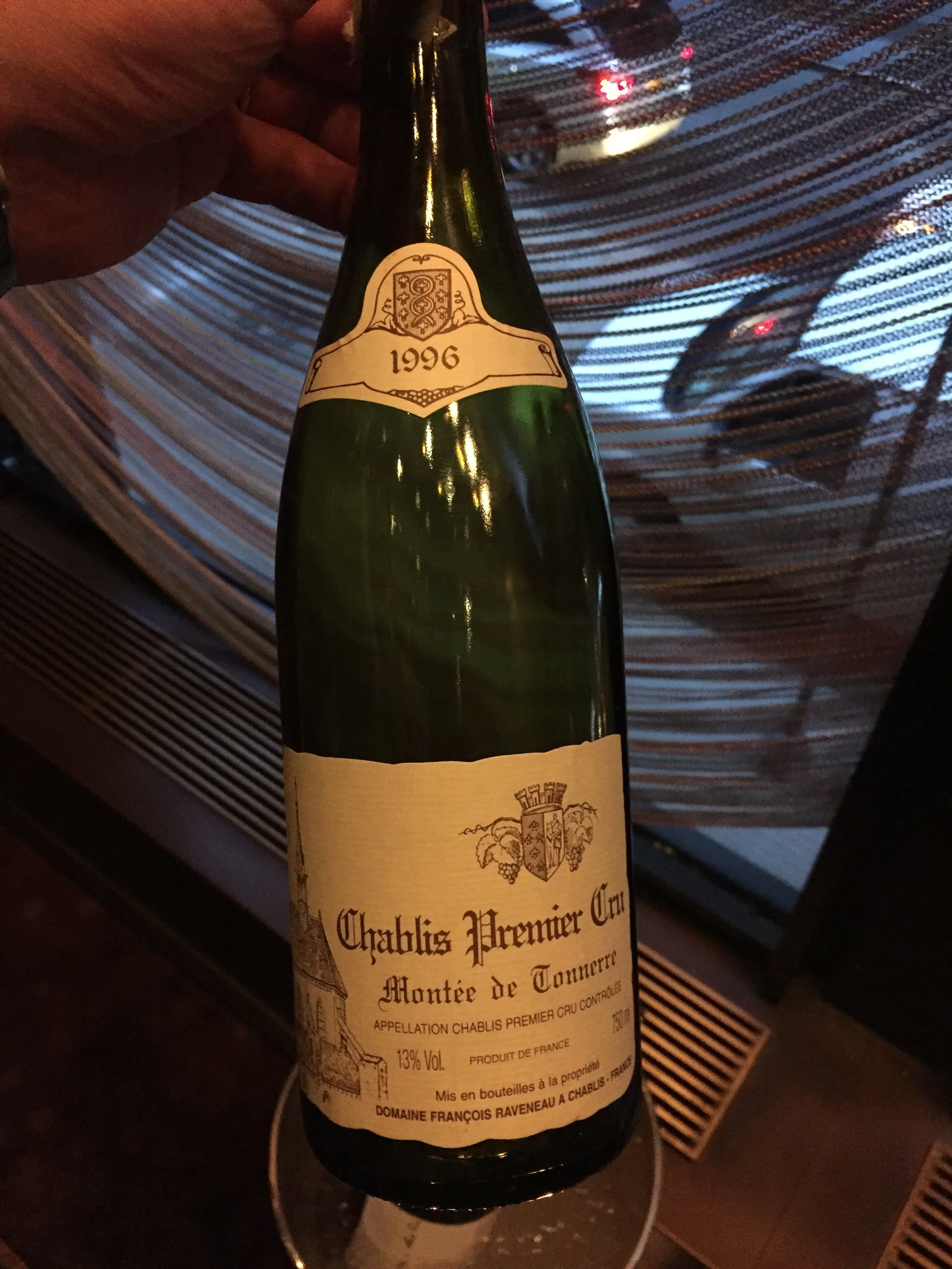
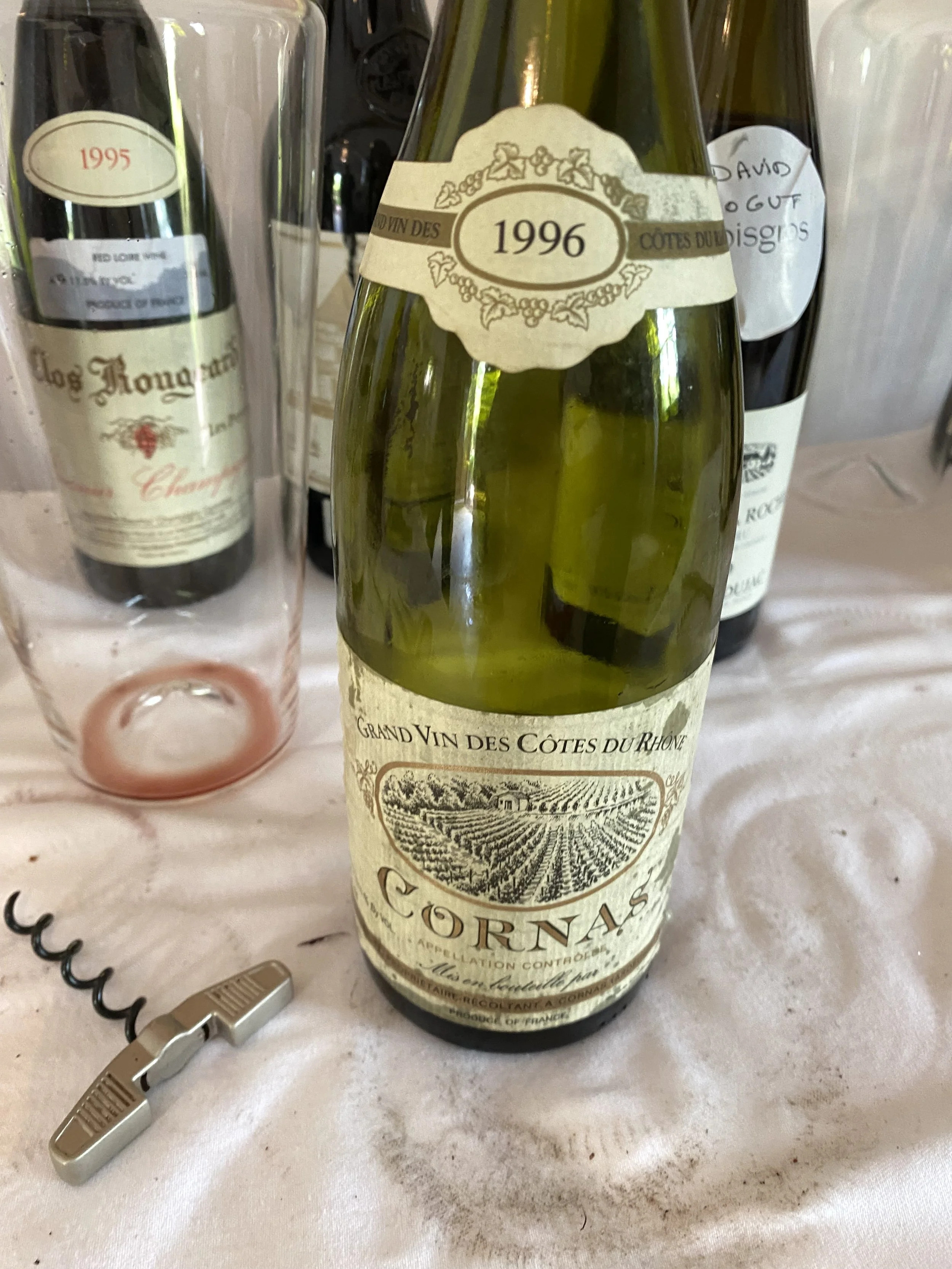
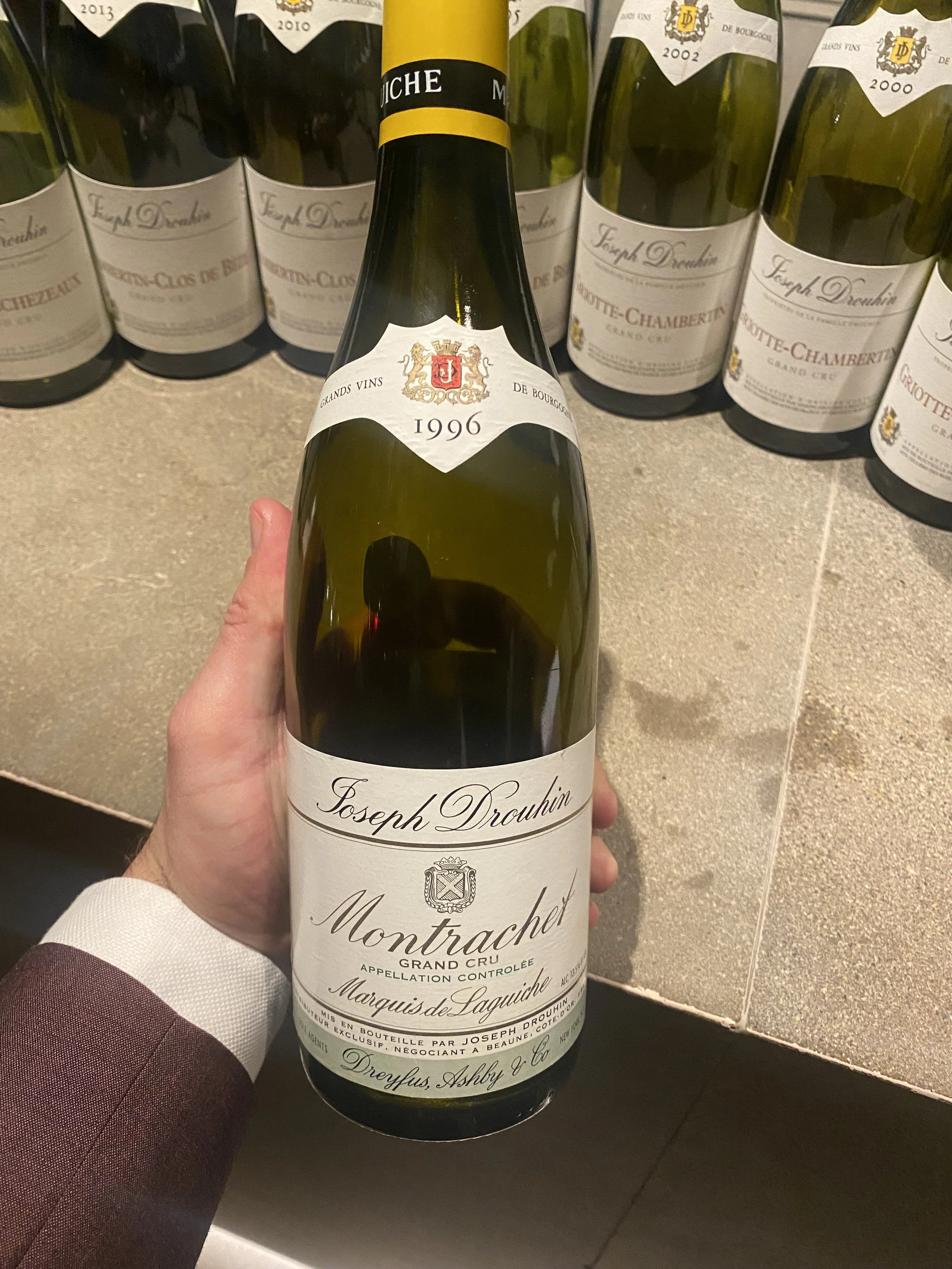
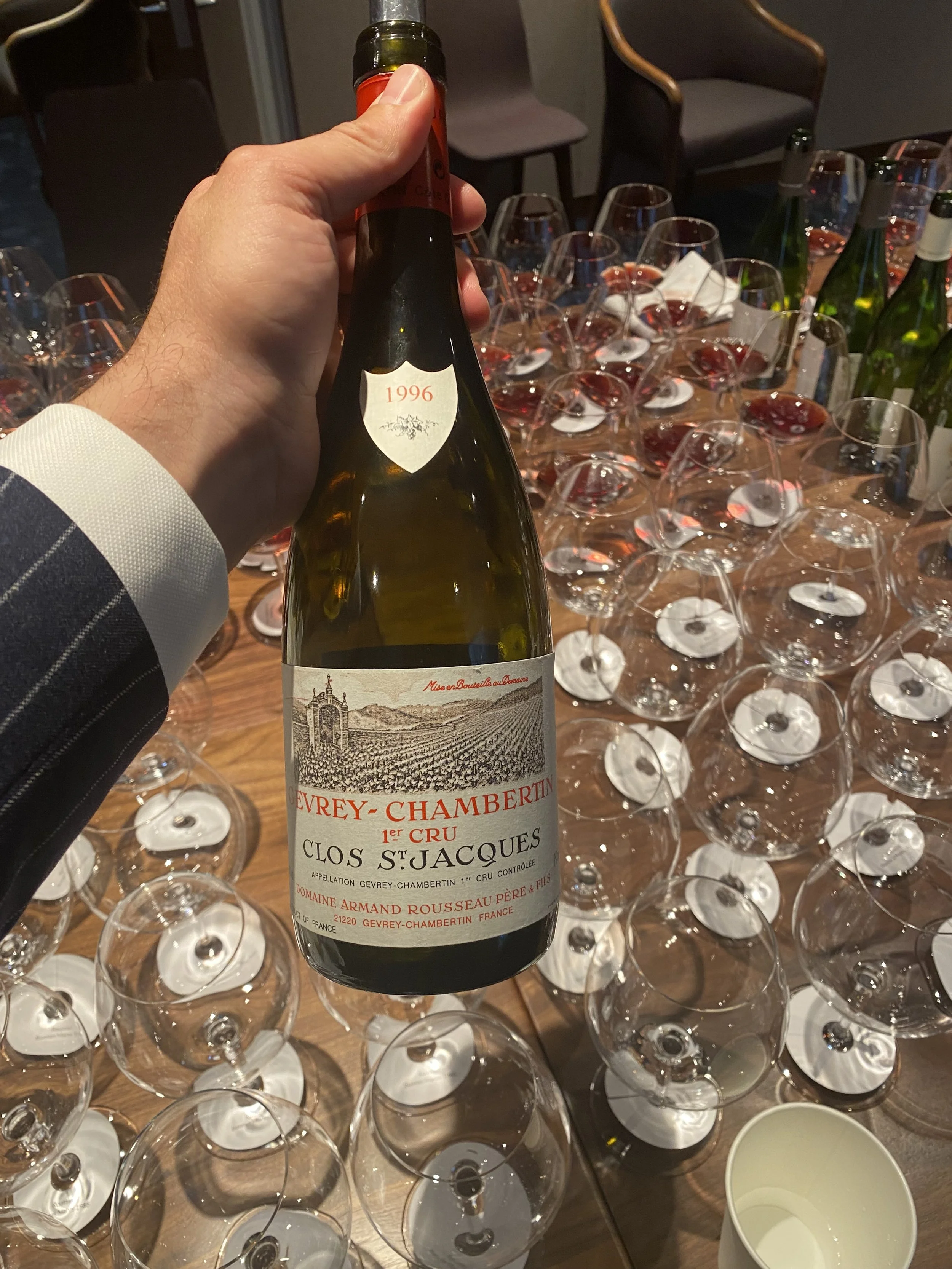
While looking for pictures of 1996 Champagne on my IPhone, I also found several other wines from various regions where the 1996 vintage truly shone, as seen in images below;jbgories

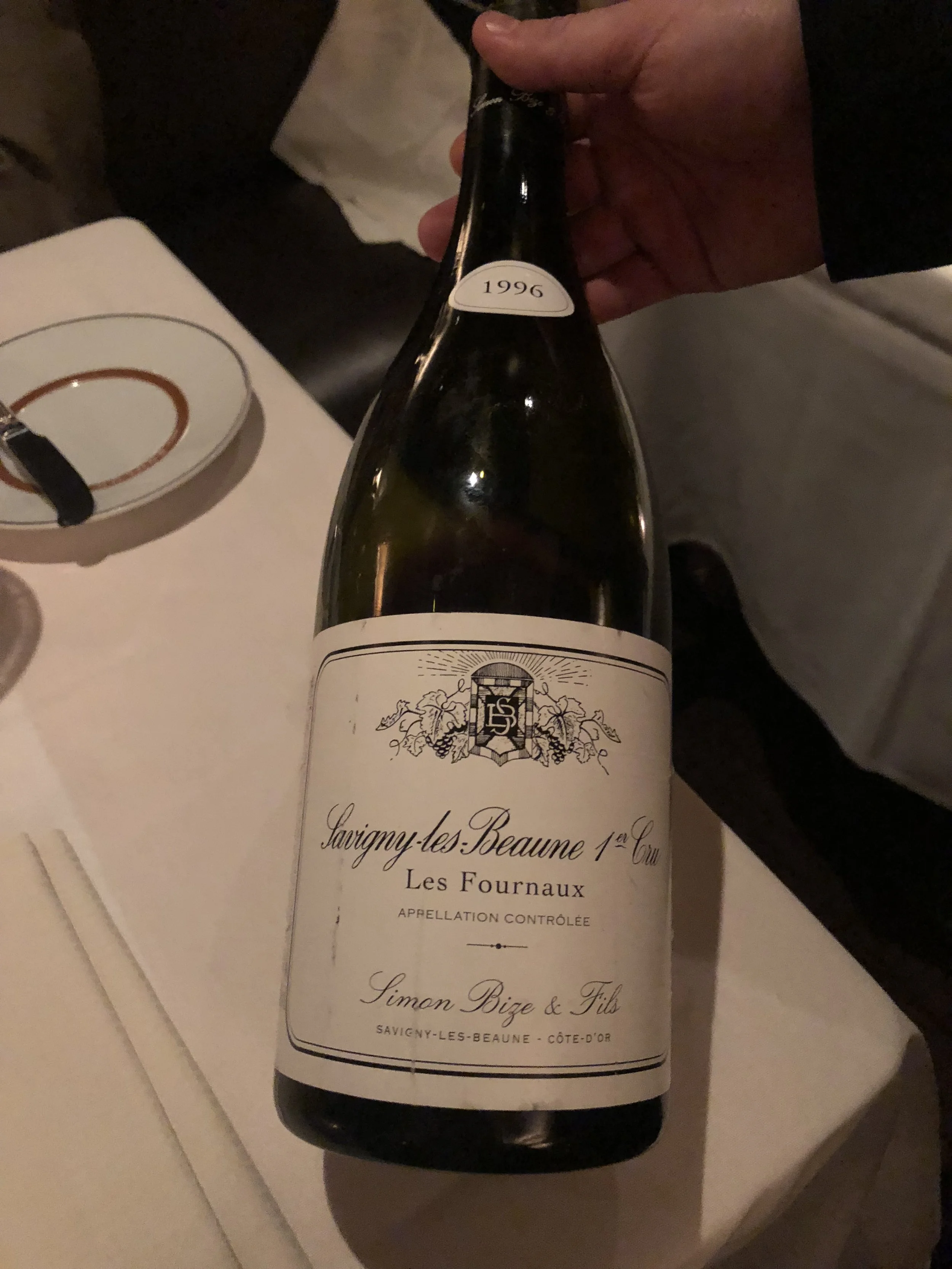
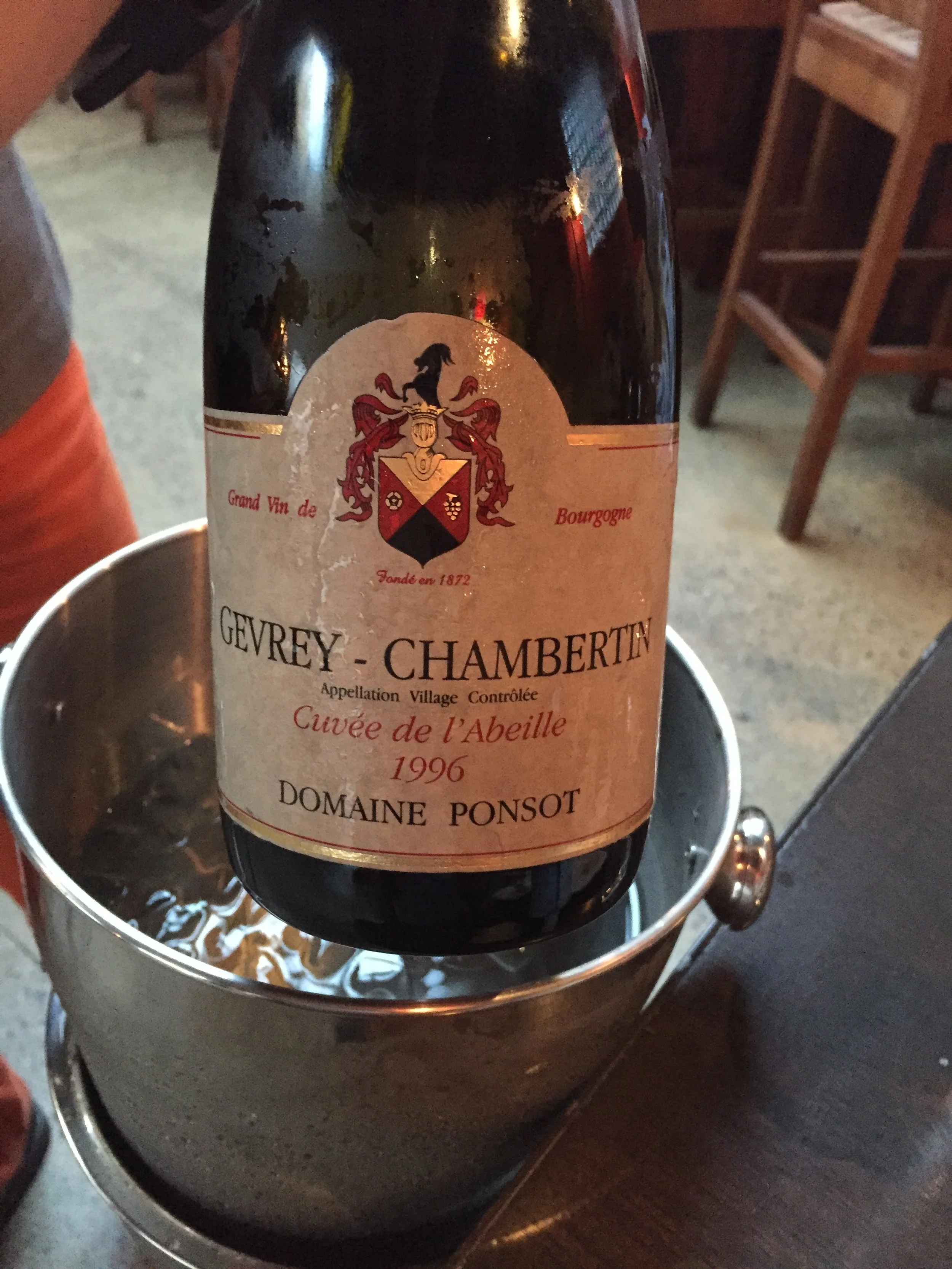
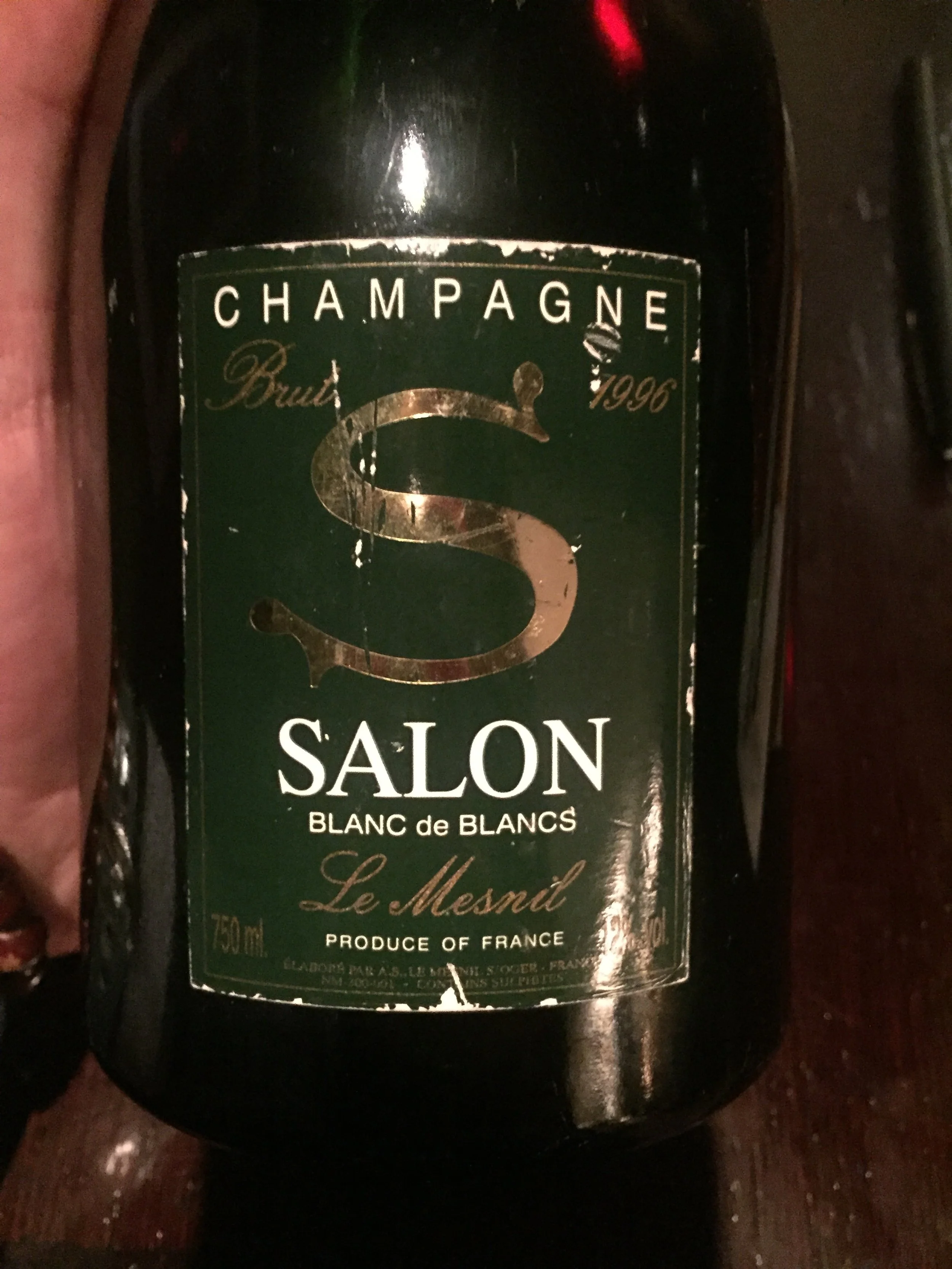
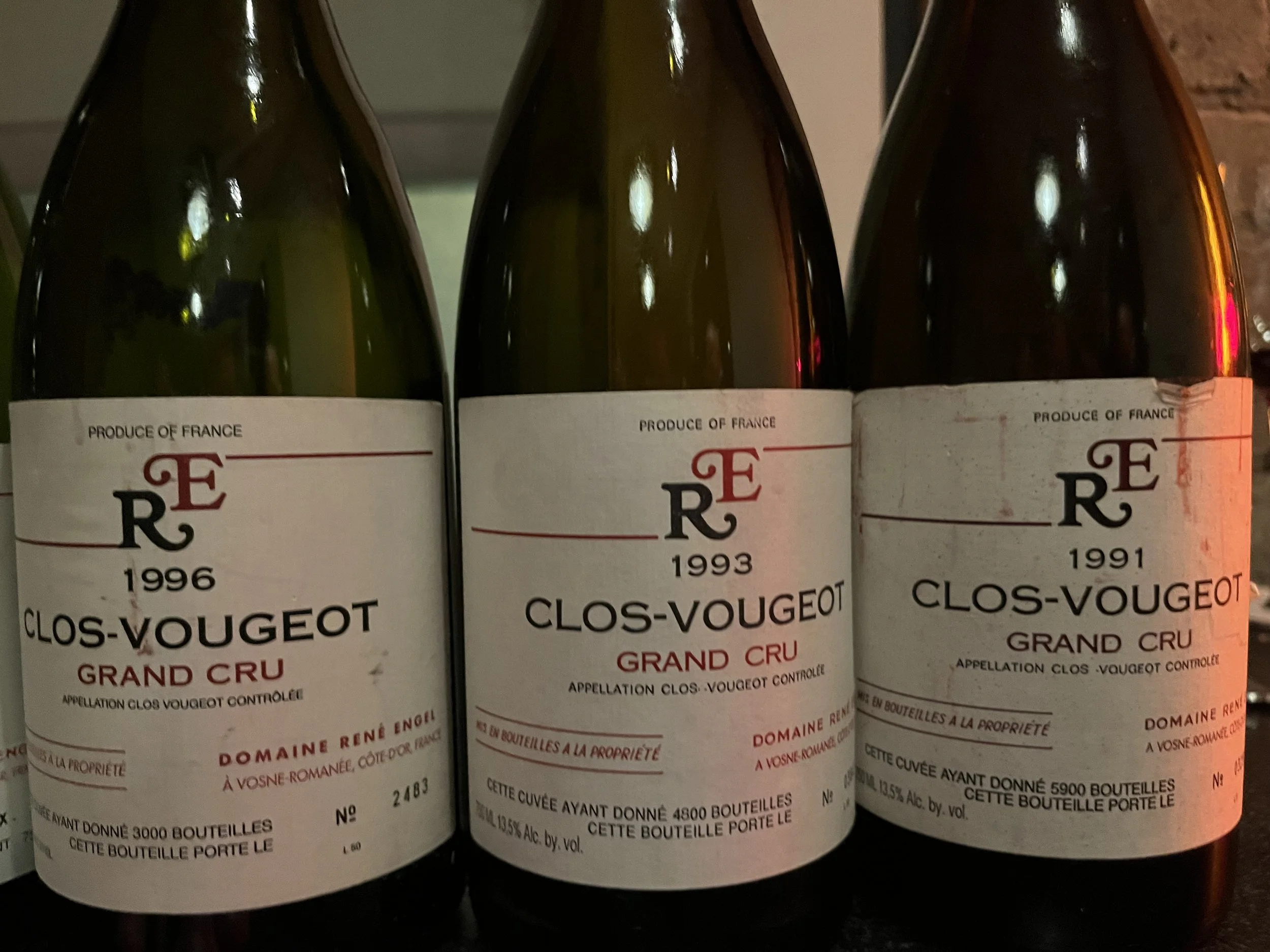

What’s Pressoir Drinking? Snowden Vineyards Brothers Vineyard Napa Valley 2016
June 13, 2020
By Edouard Bourgeois
I rarely drink Cabernet Sauvignon. I was reminded that I’ve been making a mistake of overlooking this varietal when I opened a bottle of Snowden Vineyards Brothers Vineyard 2016 last Friday. Sure, the label read 14.8% alcohol, which is much higher than the lighter Pinot Noir I love from Chambolle-Musigny or Volnay. Yet I was really impressed by the elegance and lift this bottle expressed. This is the proof that looking at the alcohol level solely to determine the intensity or power of the wine is far from enough information. The levels of acidity, sugar and tannin, even though not listed on the label, are the key factors to understand to complete the full picture. Don’t get me wrong, it is a powerful wine as it should be being a Napa Cab! But the balance was there. Is that because it is made by Diana Snowden Seysses, the wonderful lady also in charge of winemaking of Domaine Dujac in Burgundy?
Fire up the grill and get that T-Bone going like I did that night. You will be rewarded…
