
1996 in champagne. what happened?

by Edouard Bourgeois
November 21, 2025
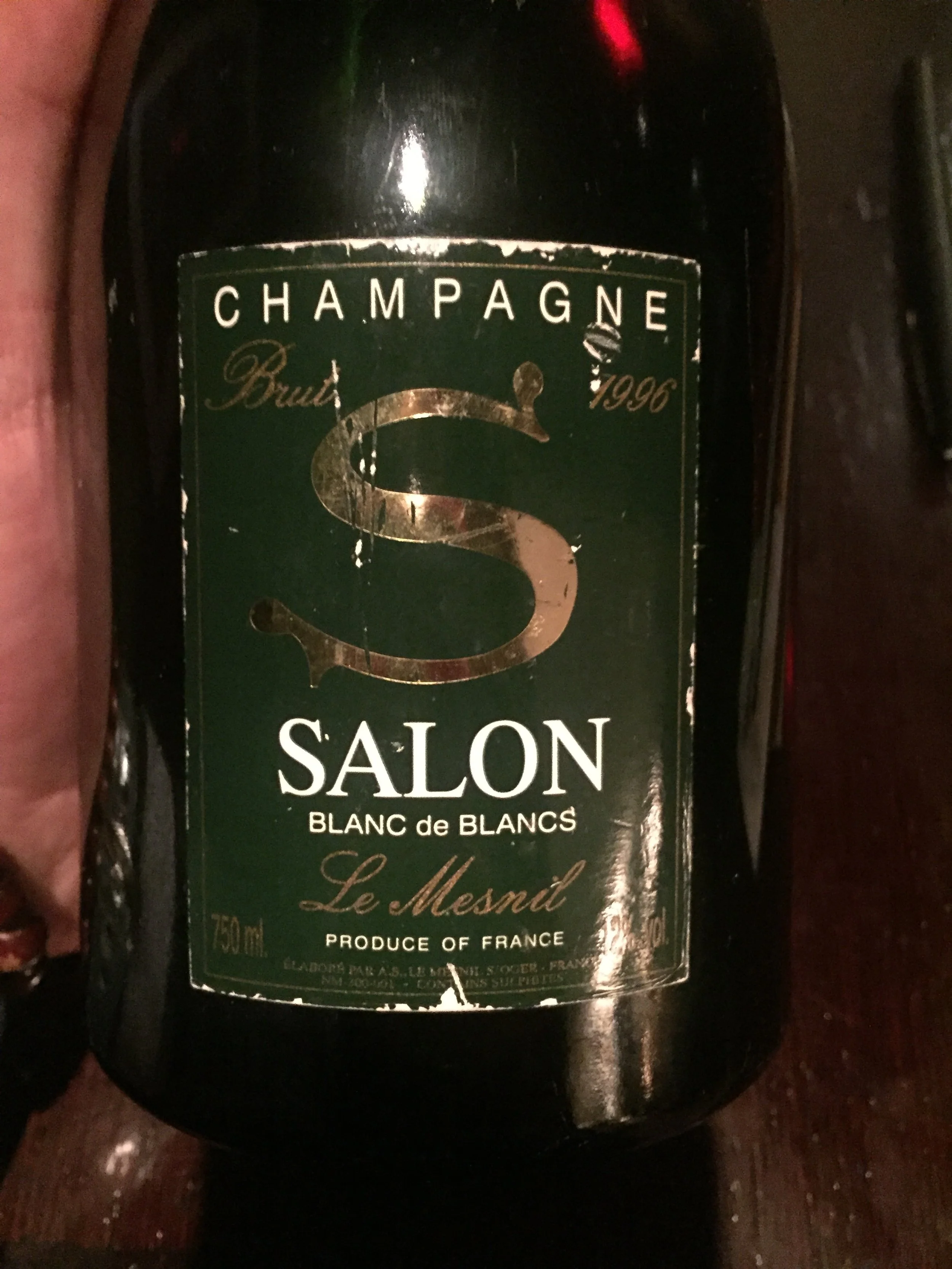
Ratings for 1996 often use words like "exceptional" and "grandiose," with some comparisons to 1928. What made 1996 objectively unique was the high average potential alcohol (10.3%) combined with high total acidity (10g/litre)—figures rarely seen together. As Charles Philipponnat noted, this is a significant jump from the 9.3% potential alcohol common forty years prior.
Acidity and potential alcohol work together for balance, but typically, when one is high, the other is low. In 1996, both figures were high. Bruno Paillard called it a 'naughty boy' vintage due to its unpredictable nature and the anxiety it caused producers while waiting for acidity levels to drop. However, the result for those with patience is "fantastic."
While acidity is key for aging, the true test is time. Over two decades later, the remaining 1996 bottles reveal which producers succeeded. The best examples are still complex and alluring, where the high acidity is balanced by a wide range of aromas, from brioche to stone fruit. Unfortunately, some other bottlings show only residual acidity, resulting in unbalanced and tart wines.
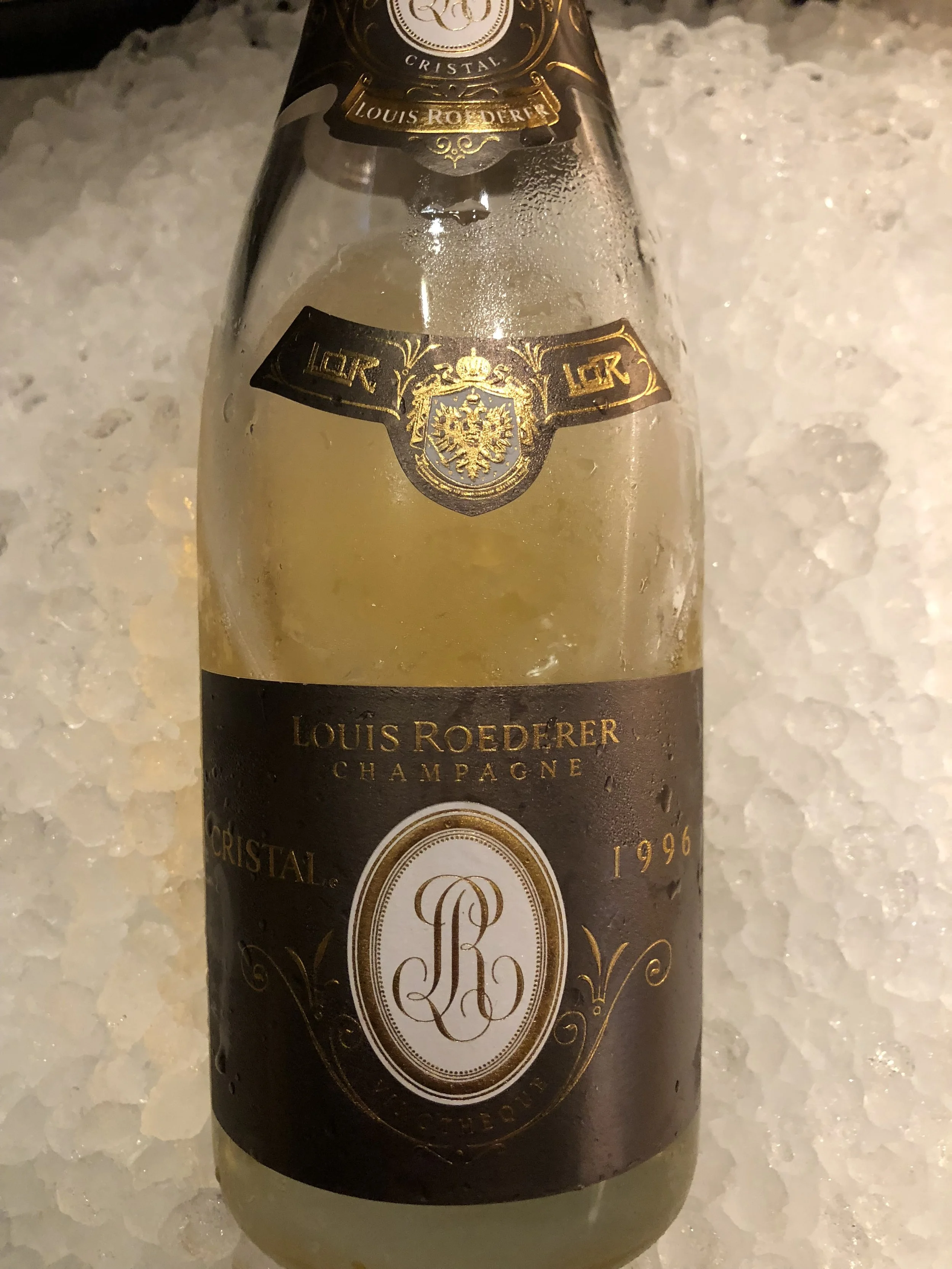
I recall opening a glorious bottle of 1996 Cristal for my son's birth seven years ago; the wine was still vibrant and charged.
Another fabulous example was made by Krug. As Olivier Krug said, "It’s a year where a good house or a good winemaker will make a good wine... It’s a tricky vintage." Other industry professionals have shared similar sentiments, noting that some vintners either opted out of making a vintage bottling or failed to achieve balance, resulting in wines that are already clumsy or tired.
The 1996 vintage often draws comparisons to its predecessor, 1995. These were the last two great Champagne vintages following the 1988, 1989, and 1990 trio. The 1996s are powerful wines; the best combine weight from ripeness with tension from acidity, providing the interest, complexity, and structure needed for long-term aging.
Interestingly, more houses released 1995 as a vintage Champagne than 1996, with a ratio of roughly 60% (1995) to 40% (1996).
Given its unpredictability, the safest bet for 1996 Champagne remains to go with producers you trust.
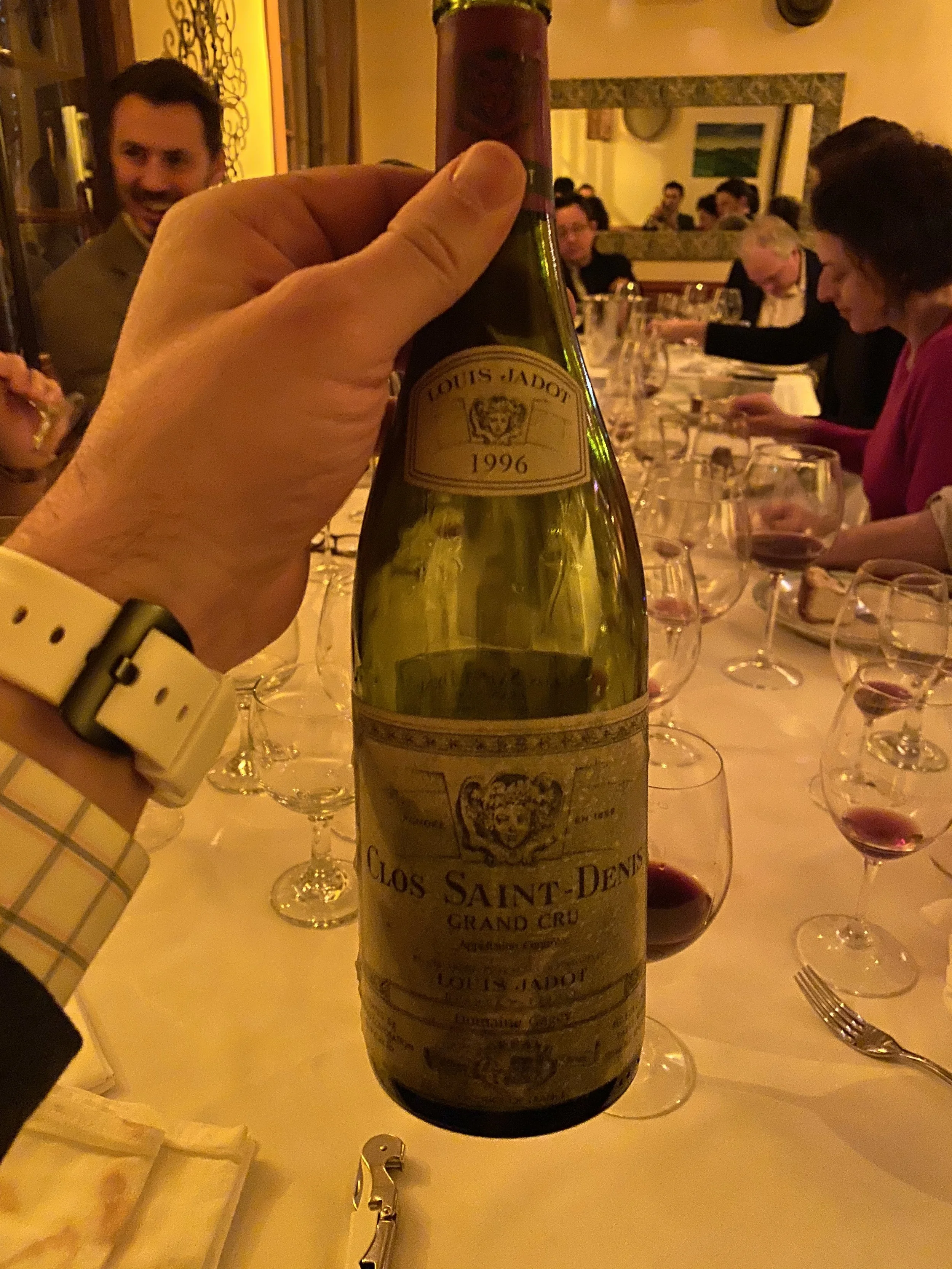
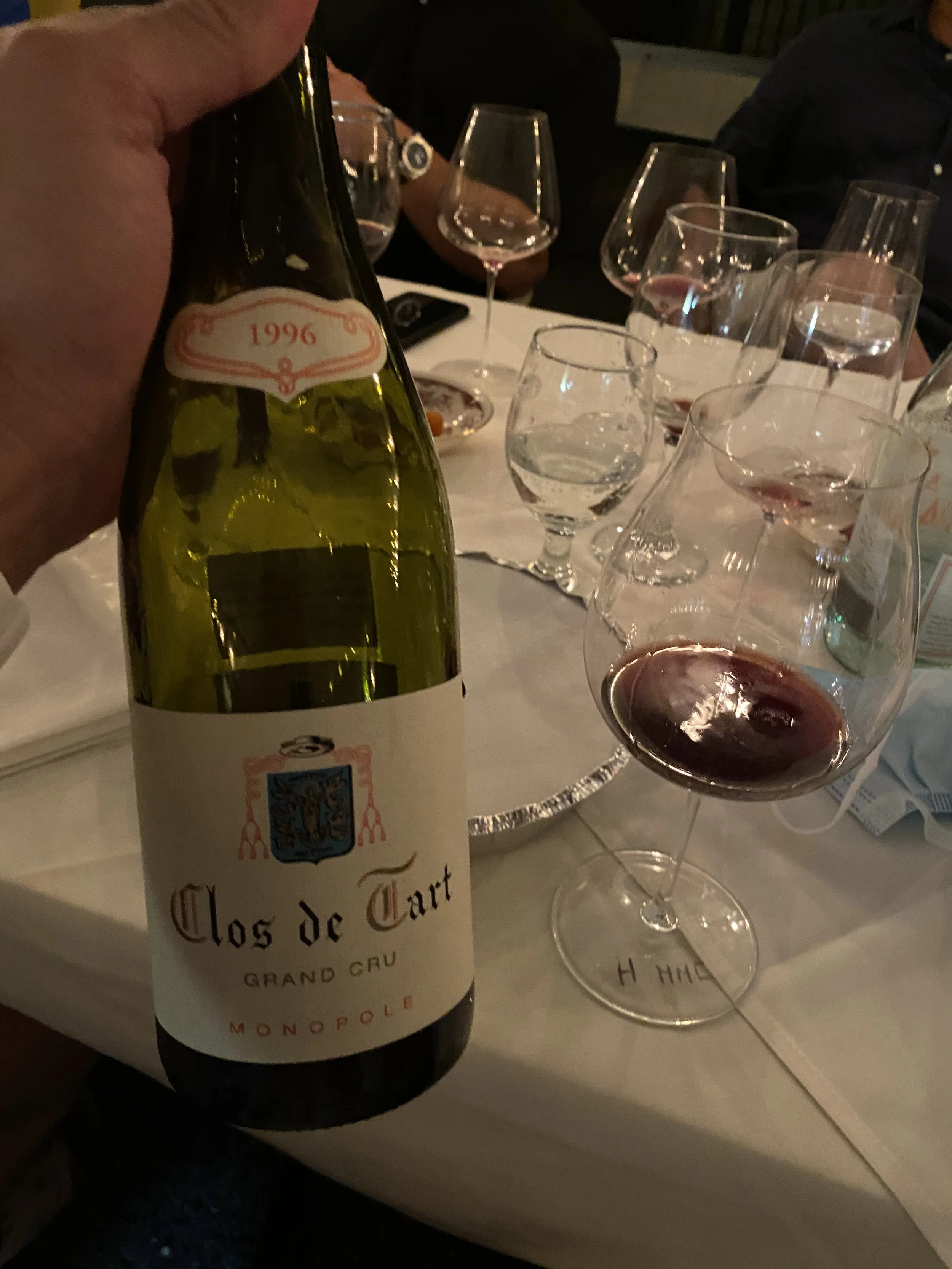
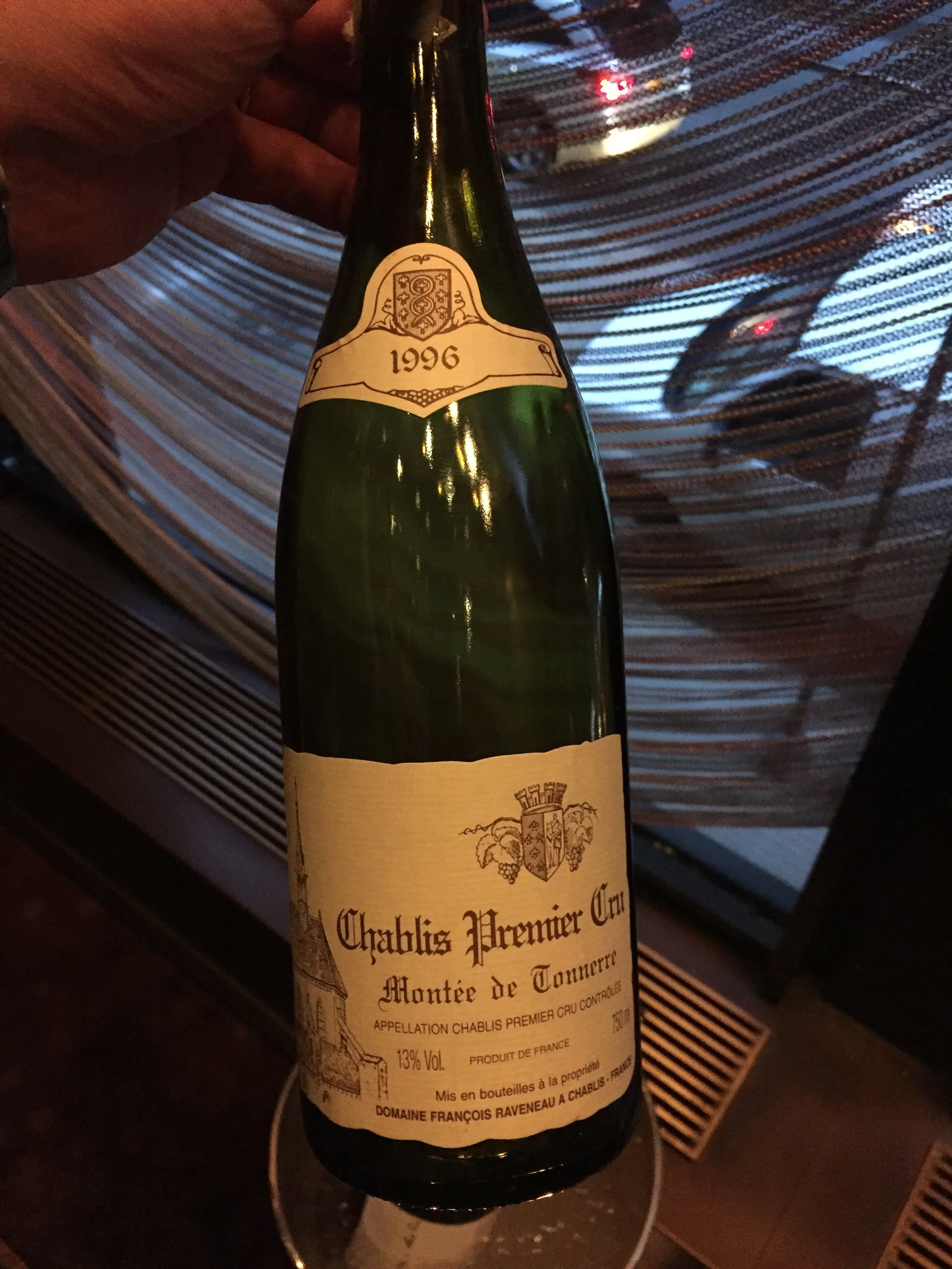
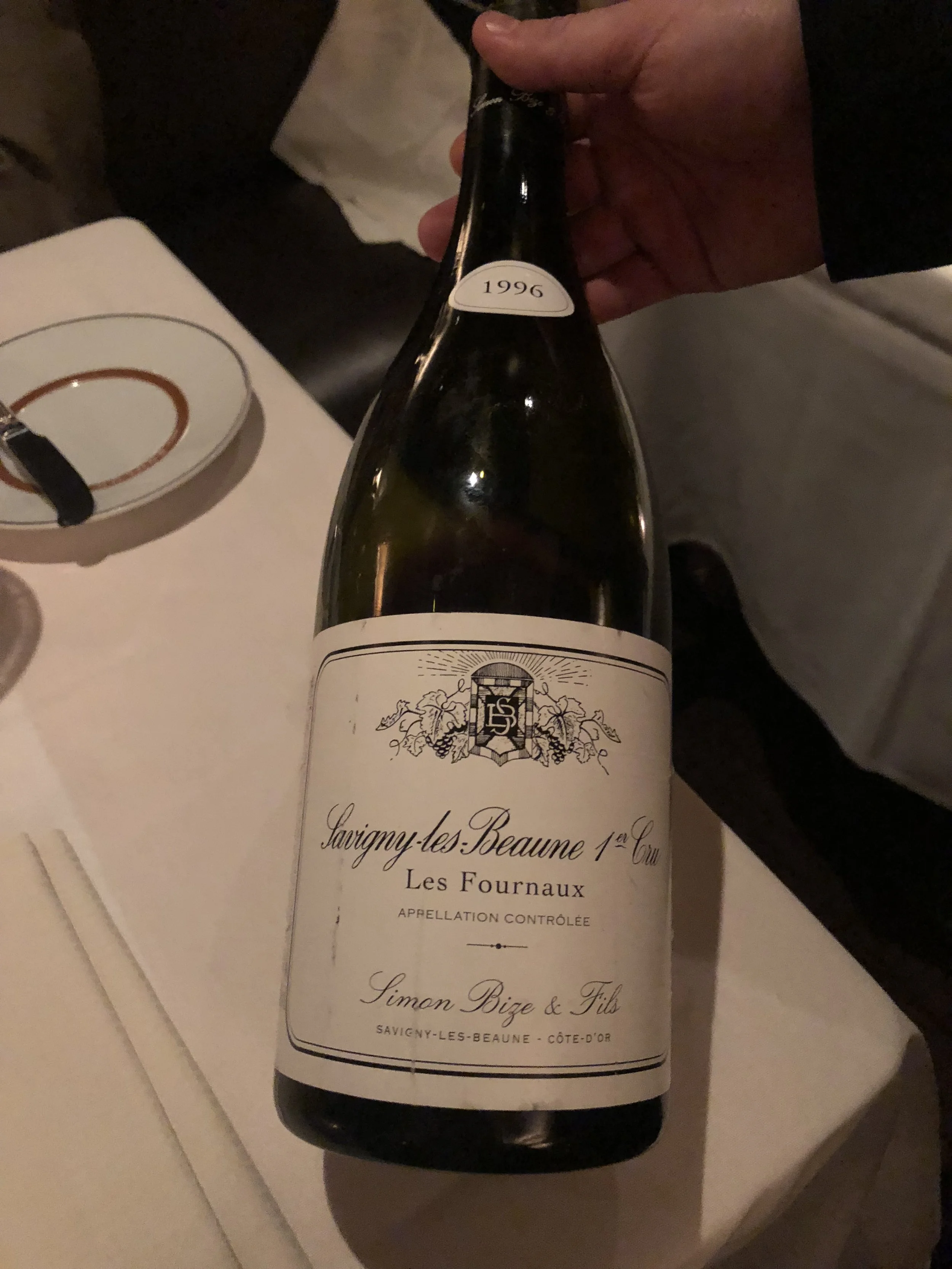
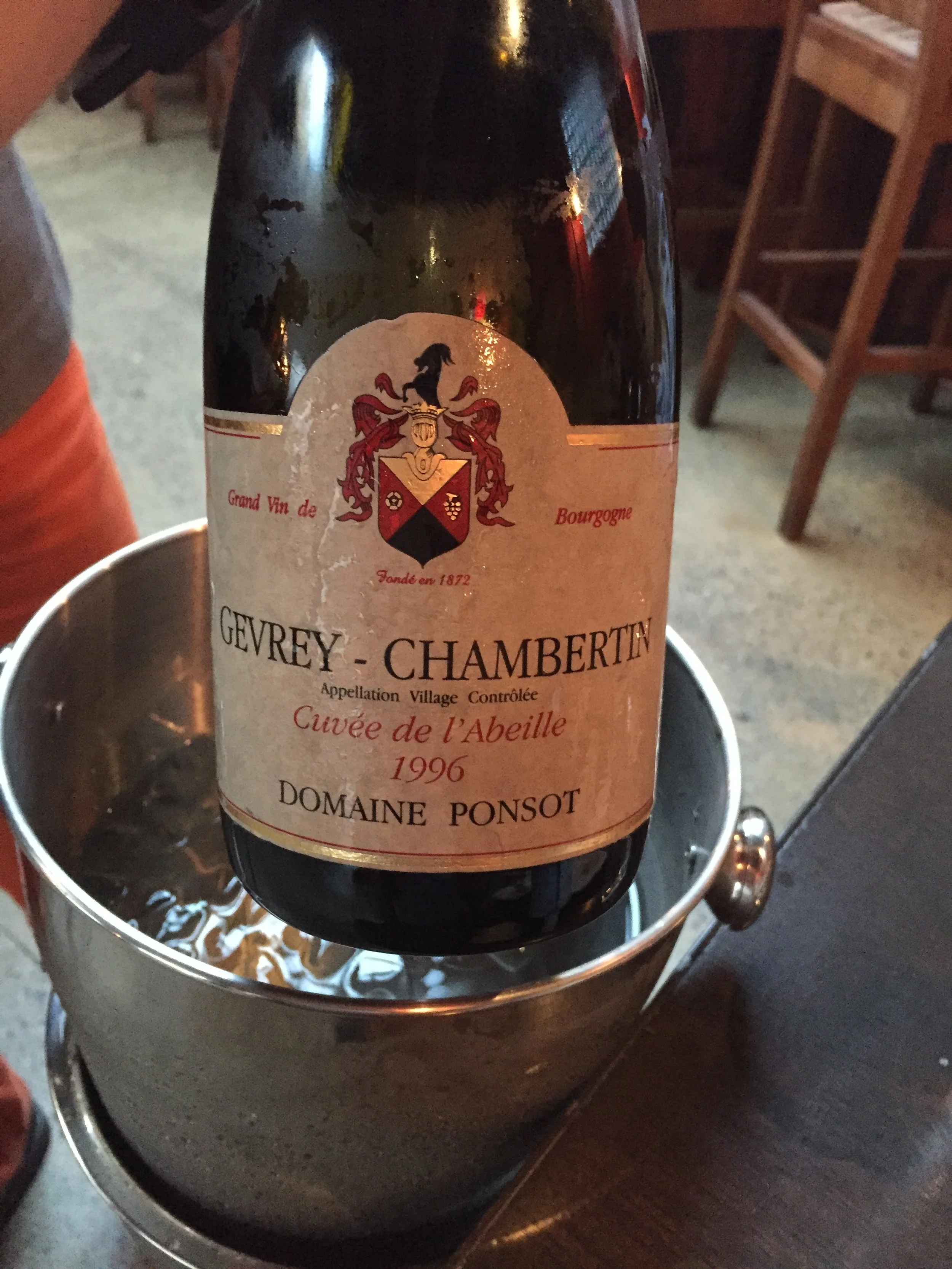
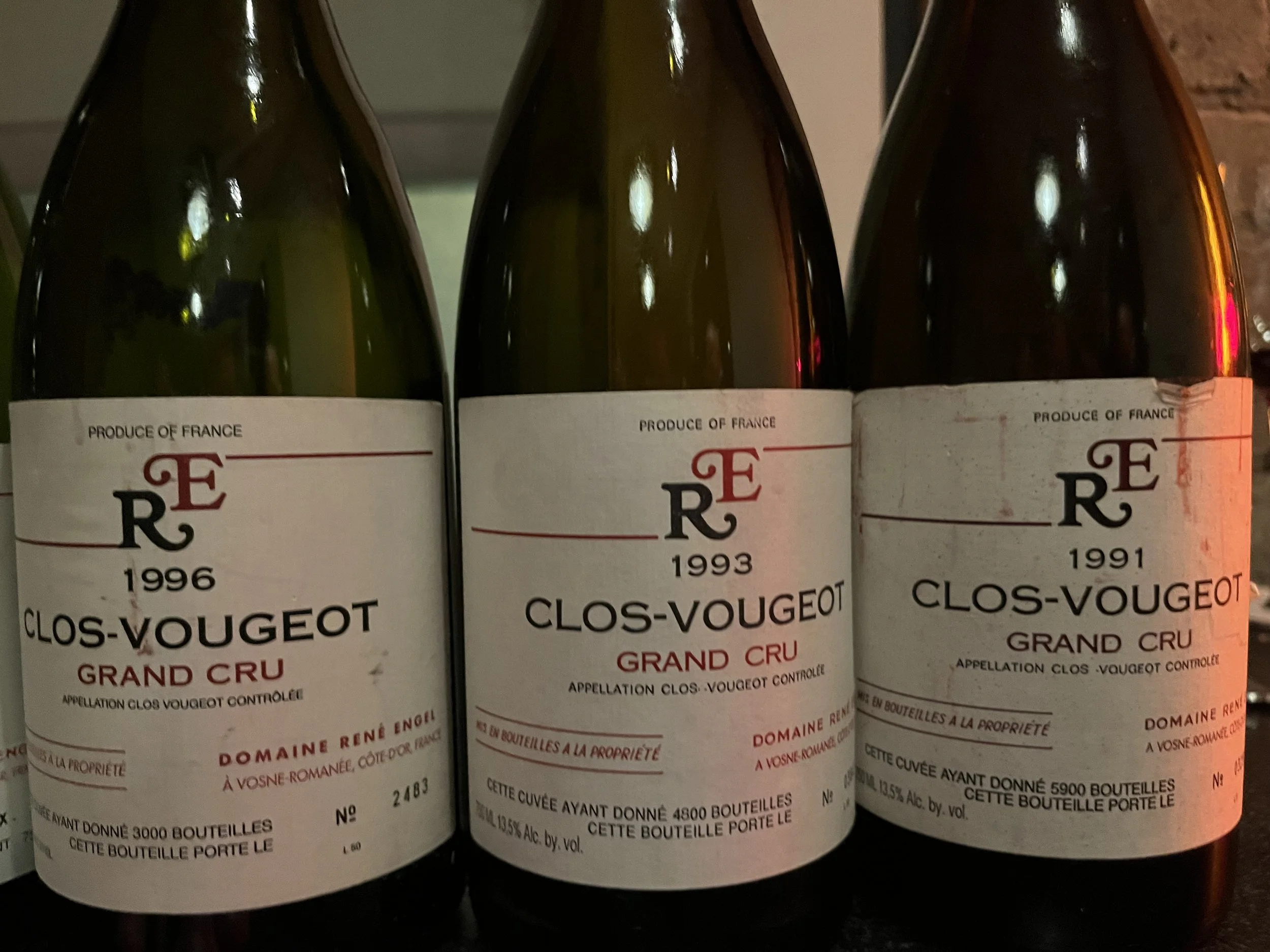
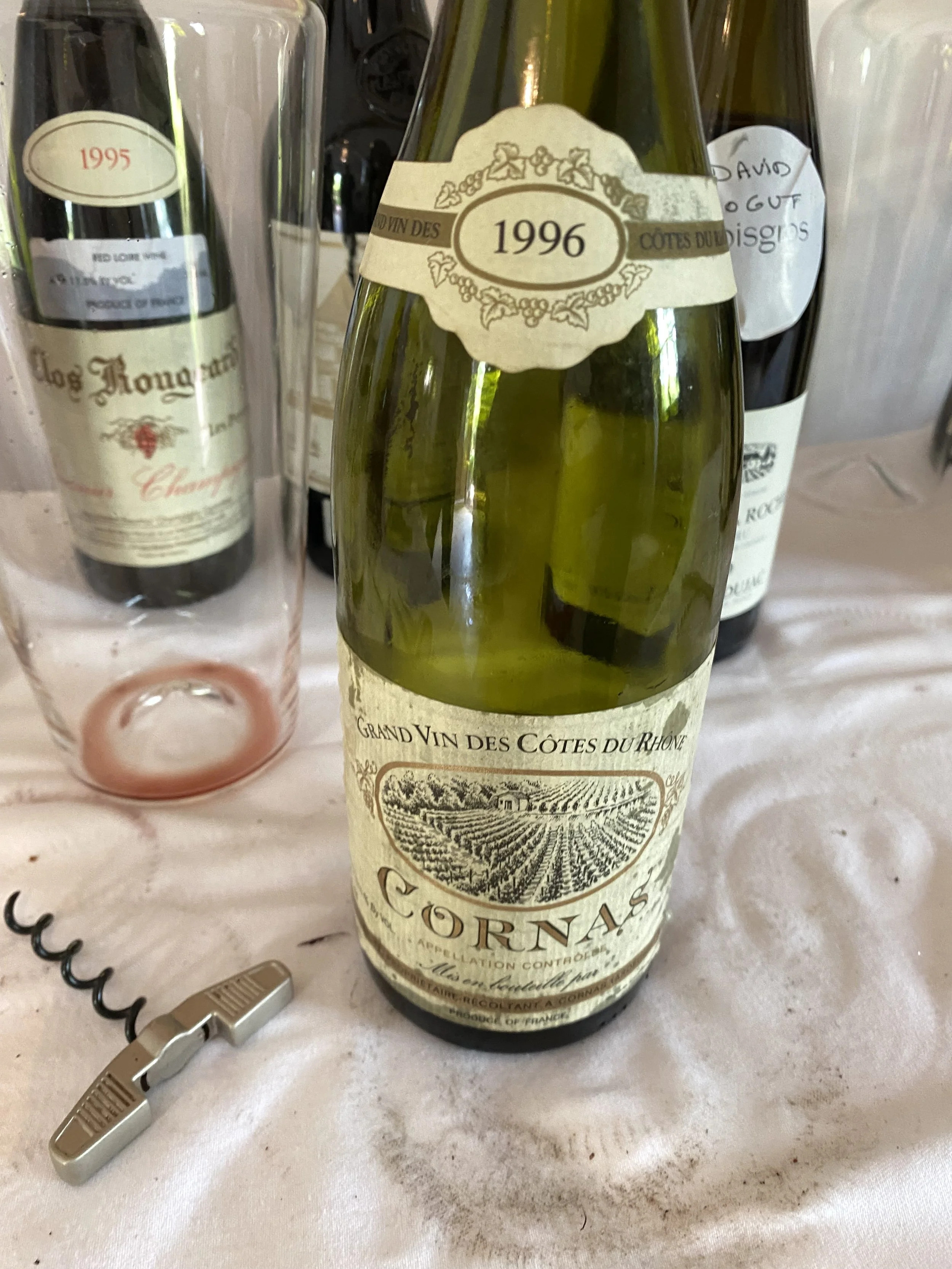
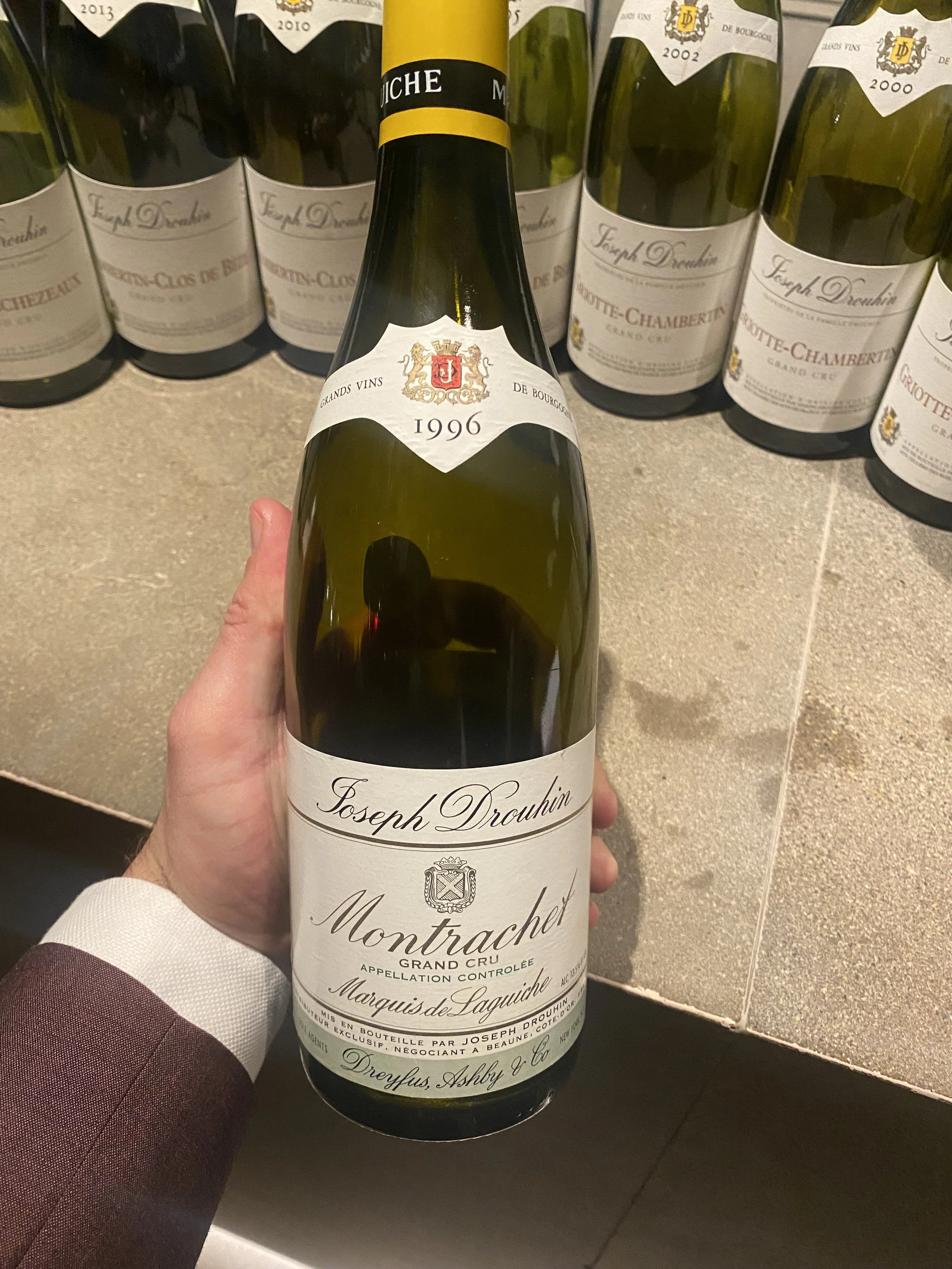
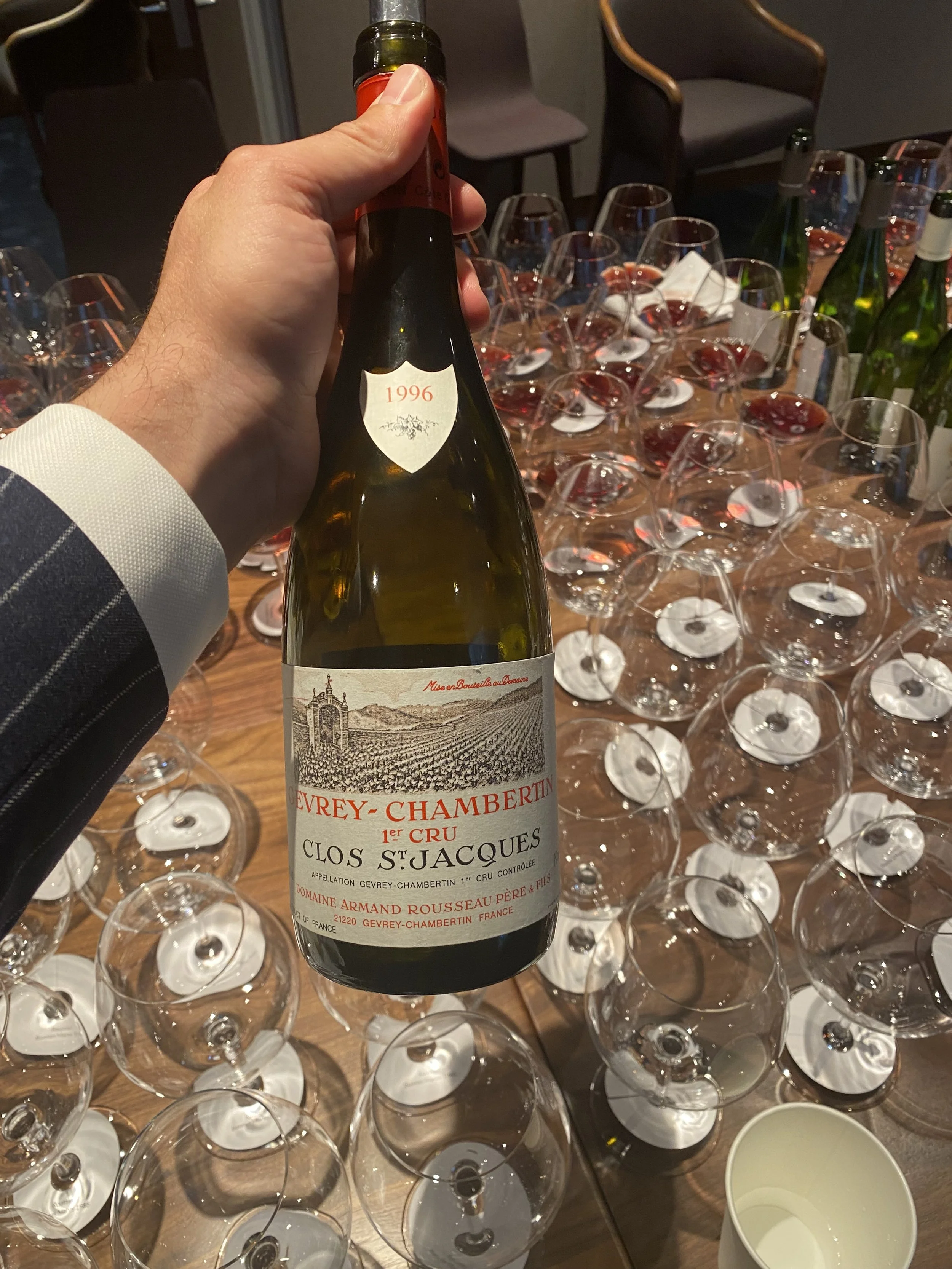
While looking for pictures of 1996 Champagne on my IPhone, I also found several other wines from various regions where the 1996 vintage truly shone, as seen in images below;jbgories


Pressoir Dinner Recap - Domaine Pierre Morey
Pierre Morey Dinner Recap
By Edouard
7/25/23

Edouard Bourgeois
July 25, 2023
On Thursday last week, we had the pleasure of hosting some of you at a memorable dinner at Hearth and I think I can speak for everyone who attended to say the wines of Domaine Pierre Morey certainly met expectations.
Here is a little recap of my tasting notes but first a few words on the domaine. It is no wonder that the family name Morey is so present in Burgundy, especially in Meursault, where the family settled back in 1793. Immediately, the Moreys started growing grapes and making wine, generation after generation, perpetuating the name through marriages over the decades and even centuries. But going back to Domaine Pierre Morey, it is Pierre’s father Auguste who started playing an important role for the future domaine, as a sharecropper for the Lafon family (another famous name in Meursault with Jules Lafon, founder of La Paulée de Meursault a hundred years ago and his eponymous Domaine des Comtes Lafon). When Pierre Morey joined his father, he created what we know today as Domaine Pierre Morey. This was in 1971. Until 1984, Pierre was still in a sharecropping agreement with the Lafon family, making stellar wines from the best appellation of Meursault. 1984 marked the end of these sharecropping contracts and the Lafons recuperated full control of their vineyards. But shortly after, in 1988, Pierre was assigned the prestigious role of cellar master at the celebrated Domaine Leflaive in Puligny-Montrachet. He excelled there for twenty years and was responsible for making wines that are still considered legendary today, while still making wine under his own name at Domaine Pierre Morey.
For about two decades now, Pierre’s daughter, Anne, has joined the family domaine, already converted to biodynamic practices since 1997. The wines continue to impress a loyal clientele of sommeliers and enthusiasts around the world.
RECEPTION:
We picked a trio of Aligotés from three different vintages: 2020, 2018 and 2014. All showed refinement and proved their ability to age, two features that are not often associated with that grape variety. The domaine planted their first Aligoté in 1969, all in the commune of Meursault on the clay-rich plots they own. What a great way to kick off this dinner!
FIRST FLIGHT:
A meli-melo of village Meursault from three vintages.
First, a 2019 Meix Tavaux, not to be confused with its more famous neighbor Meix Chavaux across the small valley that separates them. This wine is rarely seen as 2019 was the first vintage made by Pierre Morey and it comes from tiny parcel of just 0.29 ha. Beautiful, clean wine…
Meursault 2018: A blend of three parcels (Forges, Pellans and Chaumes), it perfectly illustrated the epitome of Meursault, with generosity while full of vitality in that vintage.
Terres Blanches 2017 closed the first flight brilliantly. The vineyard is on rather flat land right next to 1er Cru Goutte d’Or.
SECOND FLIGHT:
This vertical of Tessons did not disappoint!
Sourced from a 0.89 ha plot, Domaine Pierre Morey proves here the superior quality of this village level wine. While many wonder why Tessons was not ranked among 1er crus, the Moreys may have the explanation. This climat has been known for its remarkable quality for centuries and Dr. Jules Lavalle made no mistake when he ranked it “1ere Cuvee” back in 1855 with his own classification. But then the phylloxera crisis hit. And while most vineyards were replanted in time for the INAO government regulated appellation system, Tessons had been instead used for housing with not enough vines for the INAO to consider it 1er cru. Tessons only started to be replanted with vines in the 1950’s, two decades after the official ranking system was put in place.
2018, a vintage characterized by intense heat but large volumes of juice was excellent, showing precision and no “hot aromatics”.
2017, a perceptible acidity was felt and underlined intense minerality.
2013, While I find this vintage often difficult to love for red Burgundy, I have had better luck with whites. It was my favorite of this flight. Ten years looked great on this Tesson, perfectly delineated and homogeneous.
THIRD FLIGHT:
Perrieres is arguably the most famous and recognizable 1er cru of Meursault. Perched higher on the slope, its intense minerality can sometimes be a bit austere and the wines might need more time to soften up and gain charm. But it is important to point out that Perrieres is divided into two areas: Perrieres Dessus (above) and Perrieres Dessous (below) with the latter richer in top soil which gives roundness to its wines. Domaine Pierre Morey owns its 0.52 ha plot of Perrieres in the “Dessous”. Perfectly located, it is protected from the wind and receives generous sunlight.
2014: The classic example of Perrieres, electric and superior. A reminder of how special this climat is. From the moment I opened the bottle to a few hours alter, I tasted the multitude of facets it offered.
2010: My favorite of the flight. Such a gorgeous vintage for white Burgundy. Pitch perfect and screaming minerality.
2009: I was first impressed by the freshness despite the nature of this hot vintage. However, I felt that the wine showed its true colors after aeration, revealing more alcohol on the nose, nonetheless a great wine.
FOURTH FLIGHT:
How to finish with a bang?
The grand finale was assured by a stunning vertical of Batard Montrachet, one of the Grands Crus in the communes of Chassagne-Montrachet and Puligny-Montrachet. In comparison to its neighbor, Batard often stands out with a big personality, a wine that can be massive in fact. However, I have always thought that in the hands of Pierre Morey, the beast is tamed and the minerality is mesmerizing. This could be explained by the fact that the domaine owns a plot in the upper section of the Grand Cru in the Clos Poirier, just below Montrachet and in the commune of Puligny-Montrachet.
2011: Really youthful and incredibly complex. This wine still has a long life ahead. It started to show lovely notes of evolution, suggesting orange peel and the impressive volume of Batard. Maybe the wine of the night.
2005: Another hit. Although more sturdy than 2011, this concentrated wine showed ample ripeness but not too much of it either. Impressively long finish and an exotic profile of tropical fruit with accents of pineapple and even pear.
1988: unfortunately, this bottle was corked but we were able to replace it with a bottle of Meursault 1er Cru Charmes 1992 from Morey-Blanc (the negociant label) The golden color showed evolution but the wine remained very pleasurable and characteristic of the rich profile of the climat.
